
Tokyo Travel Guide: Experience Japan at Your Own Pace
Discover Tokyo through The Slow Luxury Life, where cultural experiences, beautiful gardens, historic temples, and comfortable accommodation come together with thoughtful budgeting.
Explore traditional Asakusa, peaceful Japanese gardens, fascinating museums, vibrant neighbourhoods, and unforgettable day trips. Our guide helps you experience Tokyo comfortably without spending a fortune, with practical advice on attractions, transport, accommodation, and daily costs.
Top Attractions in Tokyo
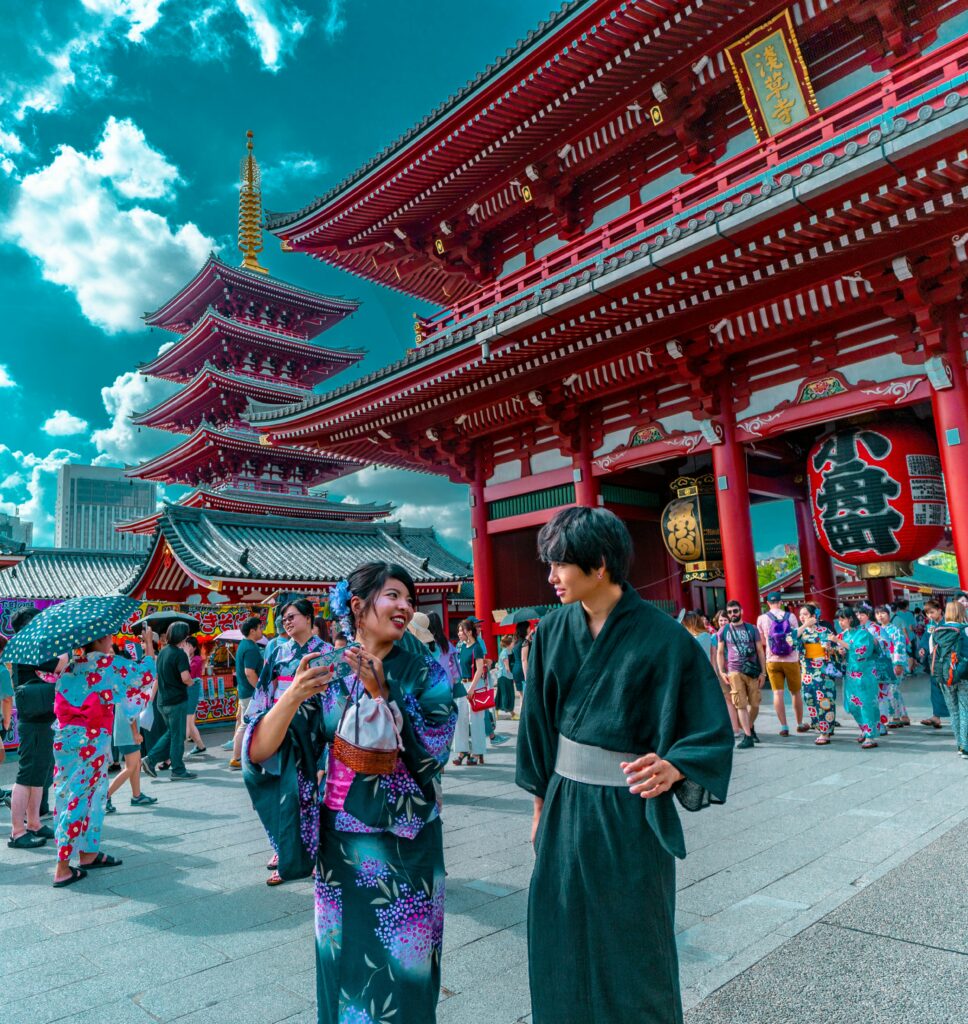
Tokyo offers an extraordinary mix of traditional culture and modern city life. Visit Senso-ji Temple in historic Asakusa, admire the city from Tokyo Metropolitan Government Building’s free observation decks, explore the famous Shibuya Crossing, see the Imperial Palace’s East Gardens, and discover the vibrant streets of Akihabara. Other highlights include Meiji Jingu Shrine, Ueno Park, the historic Yanaka district, and the teamLab digital art experience. Check opening days and admission fees before visiting, as prices and availability can change.
Temples and Japanese Gardens
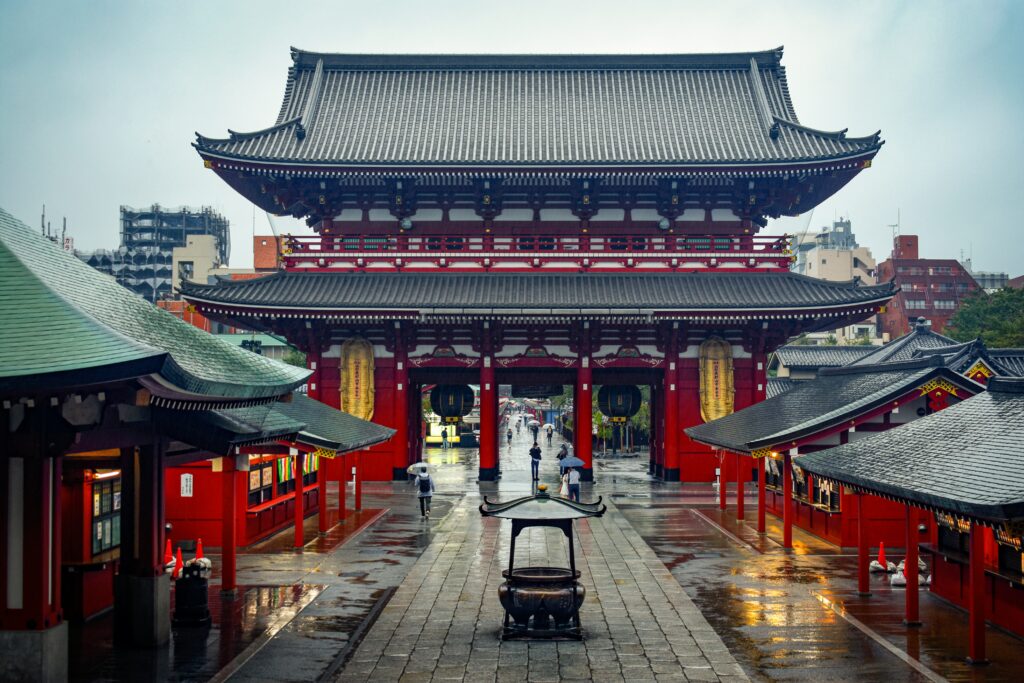
Senso-ji Temple — Asakusa
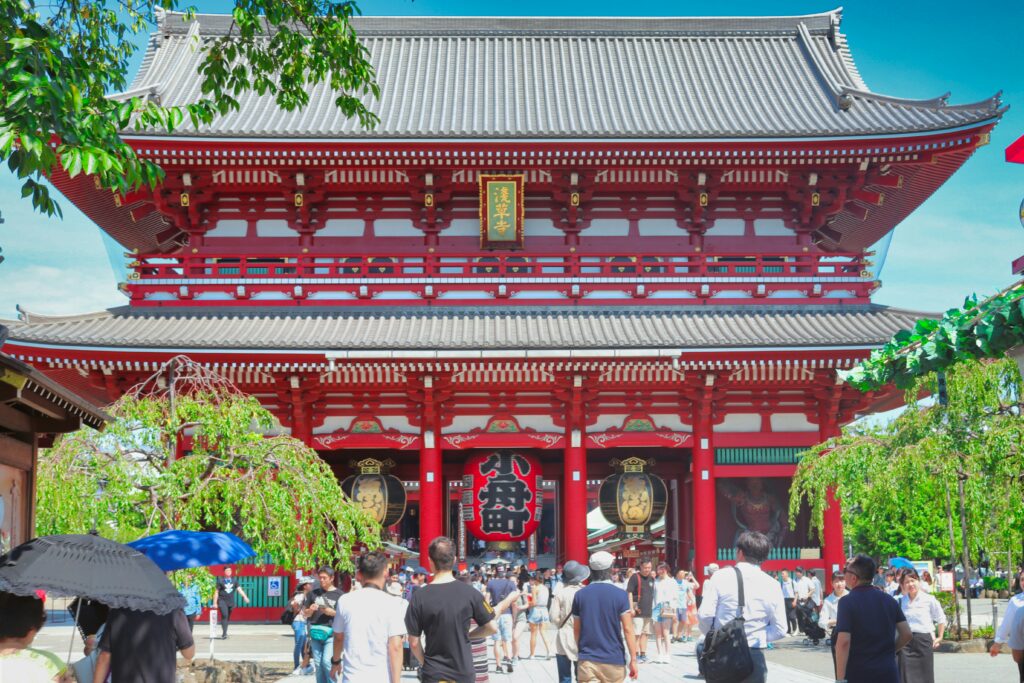
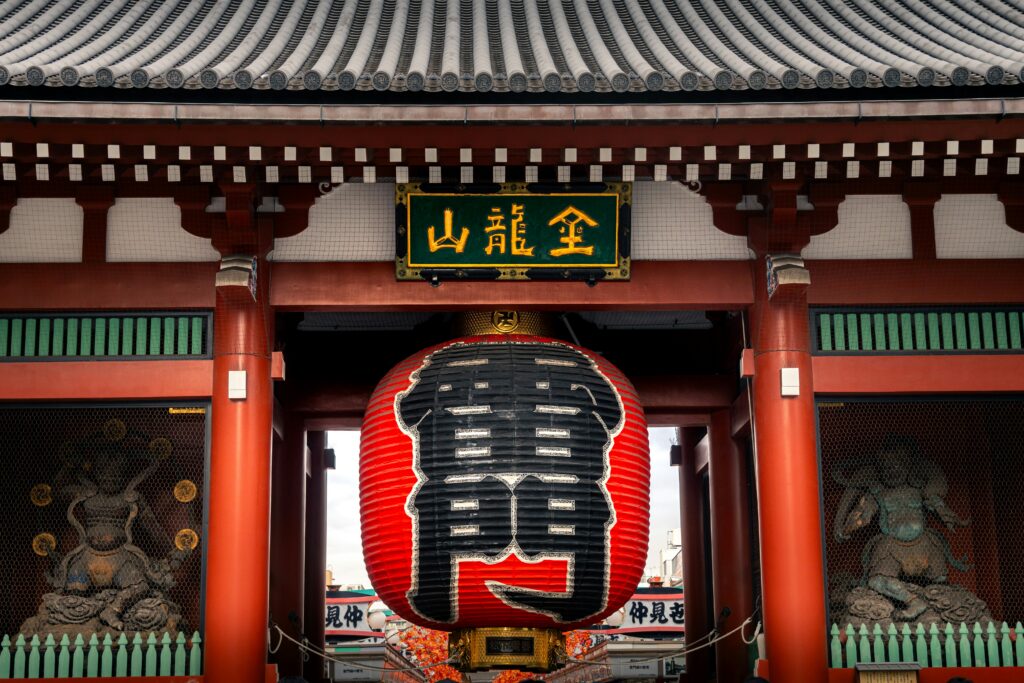
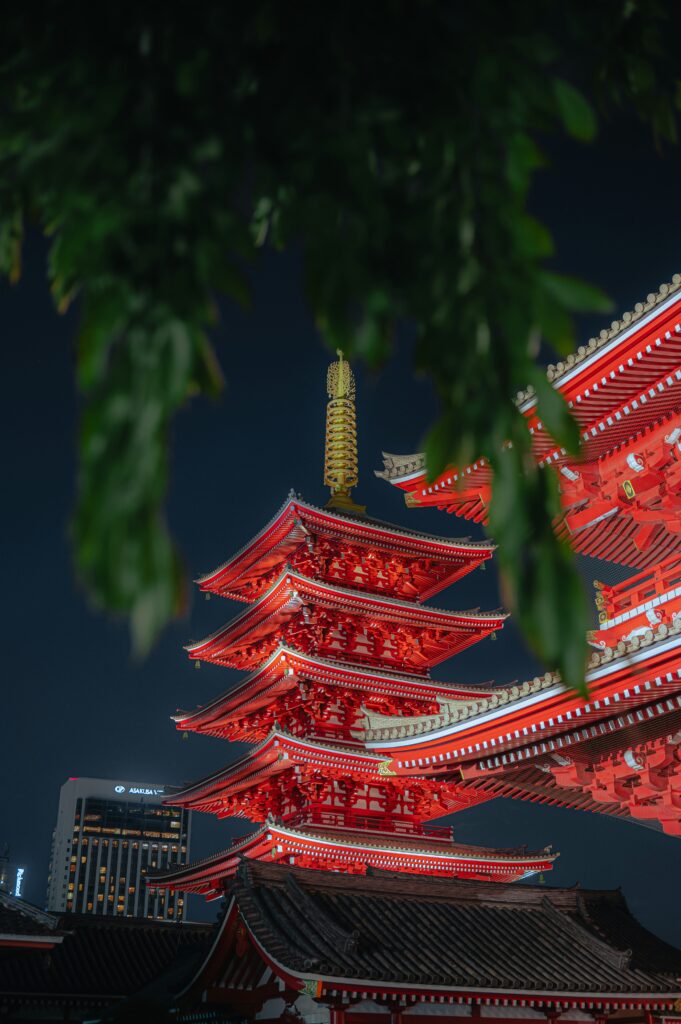
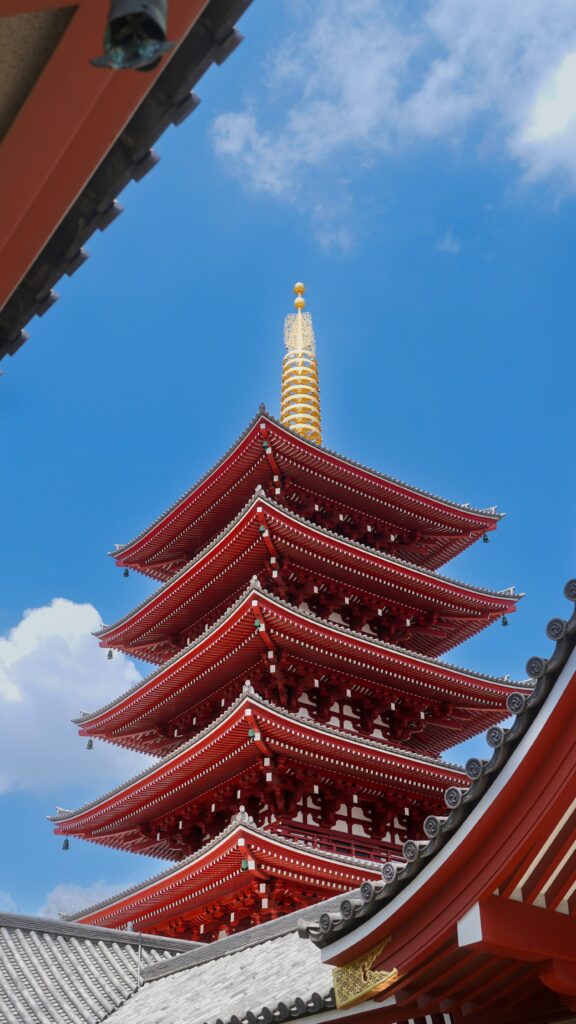
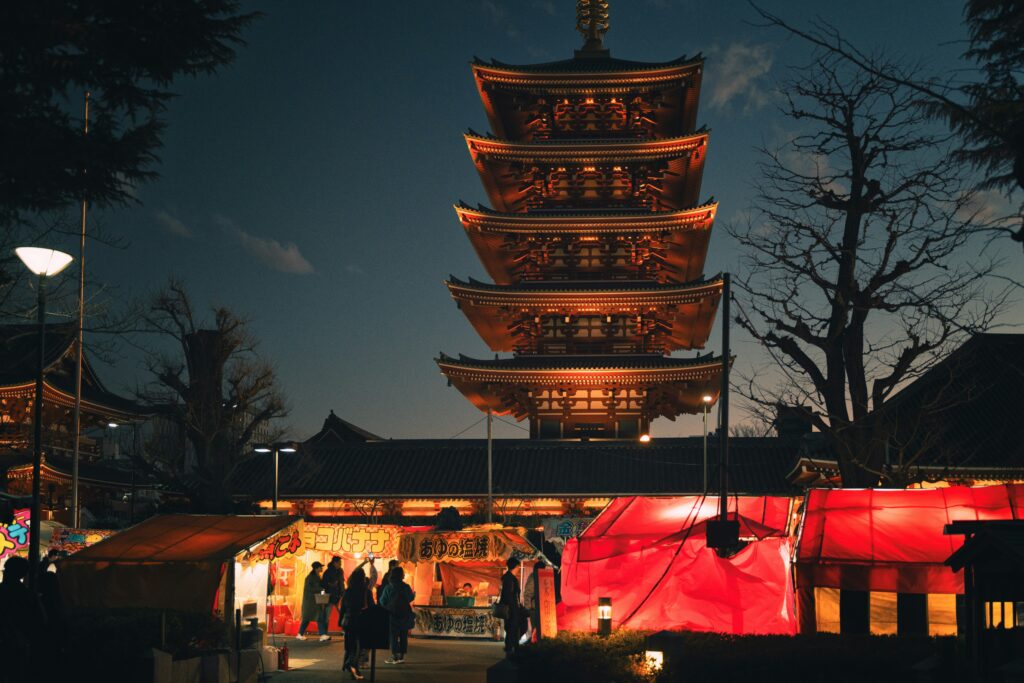
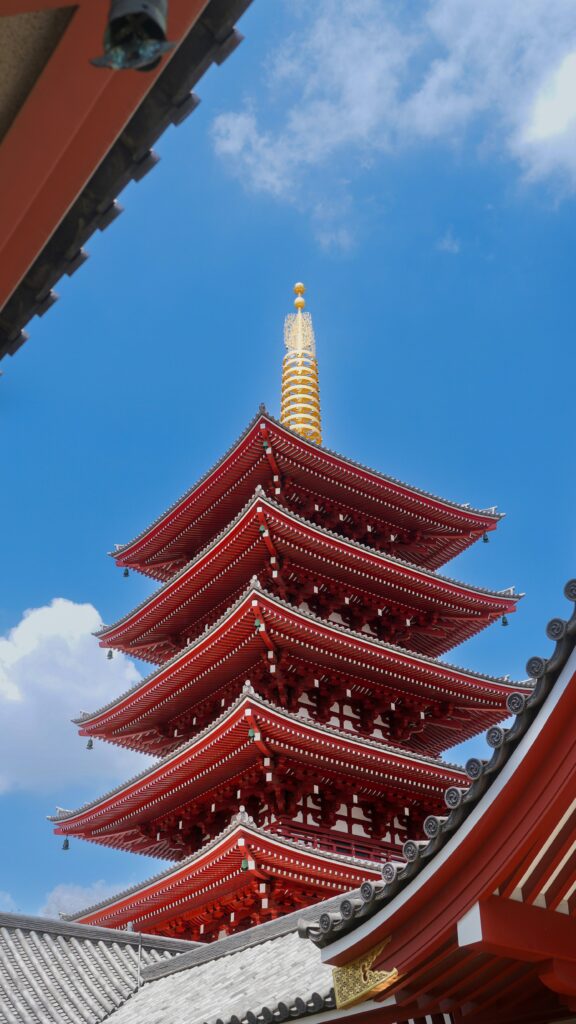
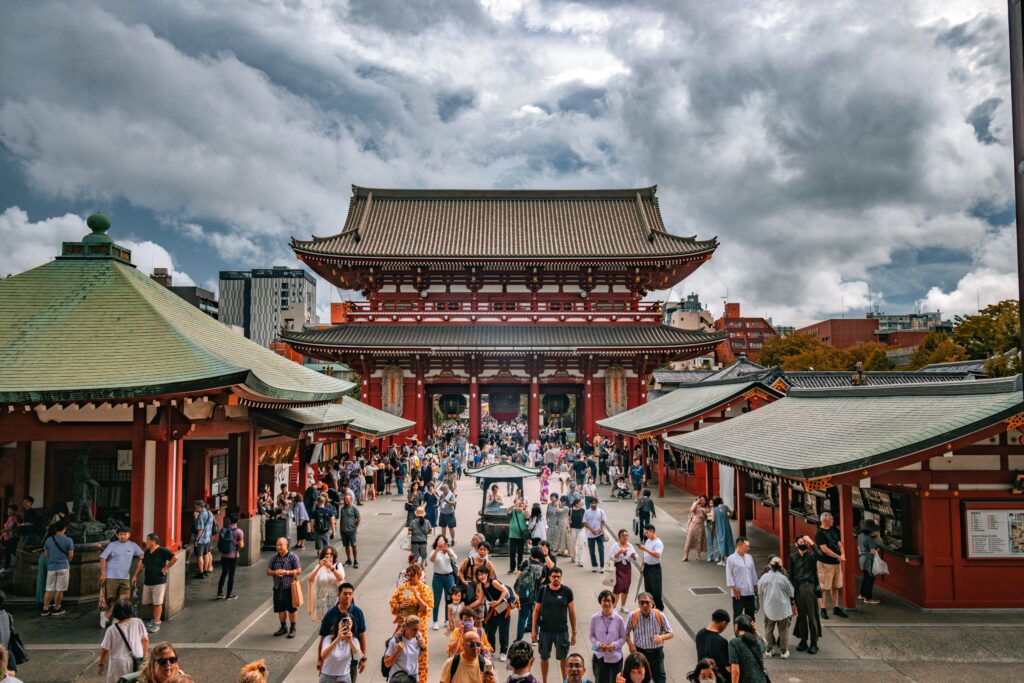
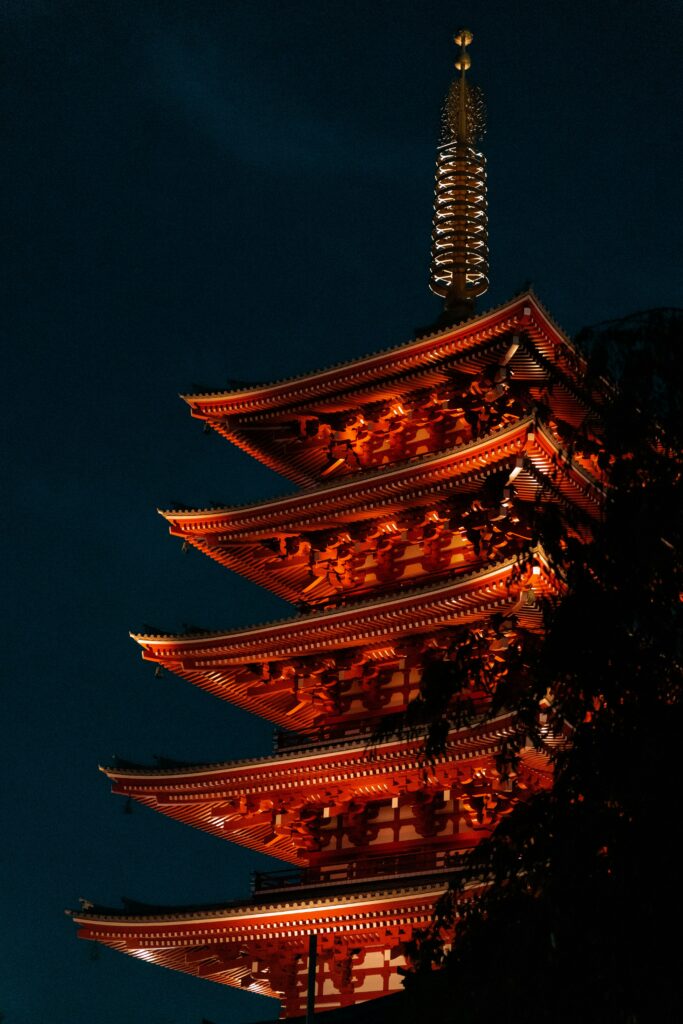
Enter through the famous Kaminarimon Gate and walk along Nakamise shopping street, lined with traditional shops and Japanese snacks, before reaching the magnificent main temple.
Admission: Free.
Opening hours: Main hall 6:00 AM–5:00 PM (6:30 AM opening from October through March).
Nearest station: Asakusa Station, approximately a 5-minute walk.
Travel tip: Visit early in the morning to enjoy the temple before the biggest crowds arrive. Combine your visit with nearby Asakusa Shrine and a walk along the Sumida River.
Tokyo’s temples and gardens offer peaceful escapes from the city’s busy streets. Visit Senso-ji in Asakusa, Tokyo’s oldest and most famous Buddhist temple, and Meiji Jingu, a tranquil Shinto shrine surrounded by forest. Enjoy the traditional landscape gardens of Rikugien and Koishikawa Korakuen, or stroll through Shinjuku Gyoen with its Japanese, English, and French garden styles. Nezu Shrine is another lovely stop, known for its red torii gates and seasonal azaleas. Many shrine grounds are free to enter, while some gardens charge a modest admission fee.
Meiji Jingu
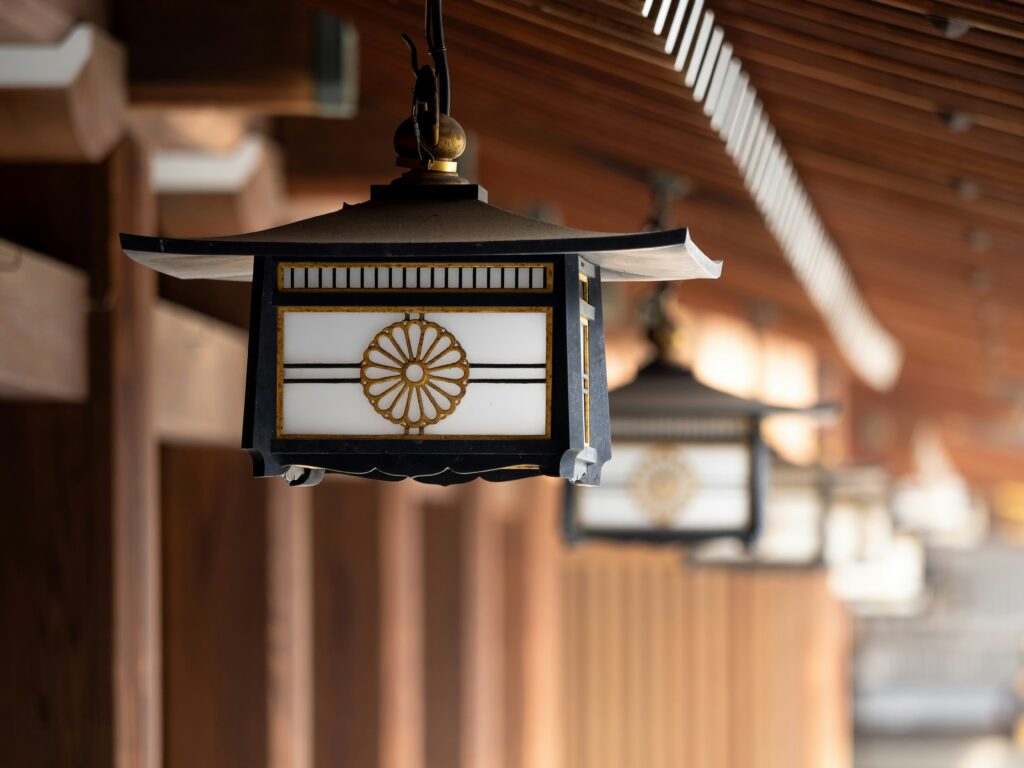
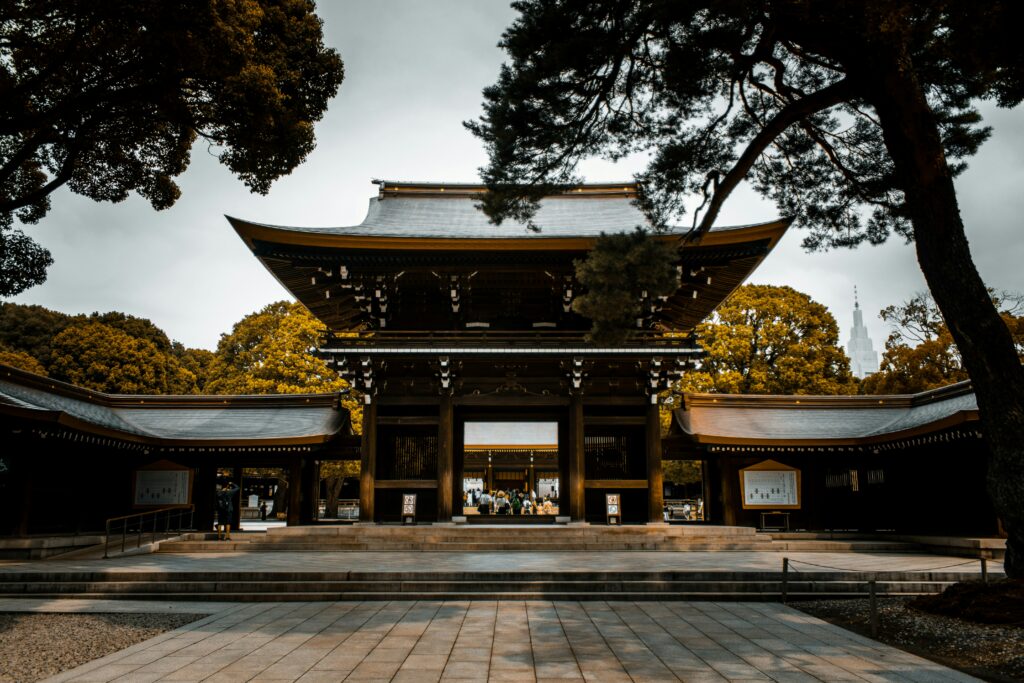
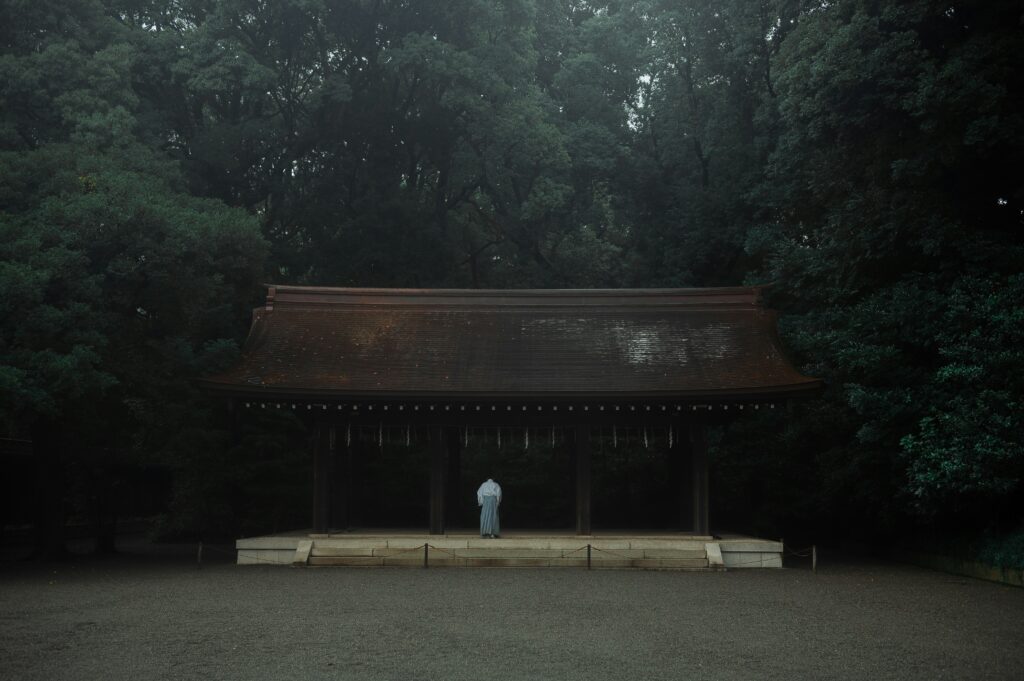
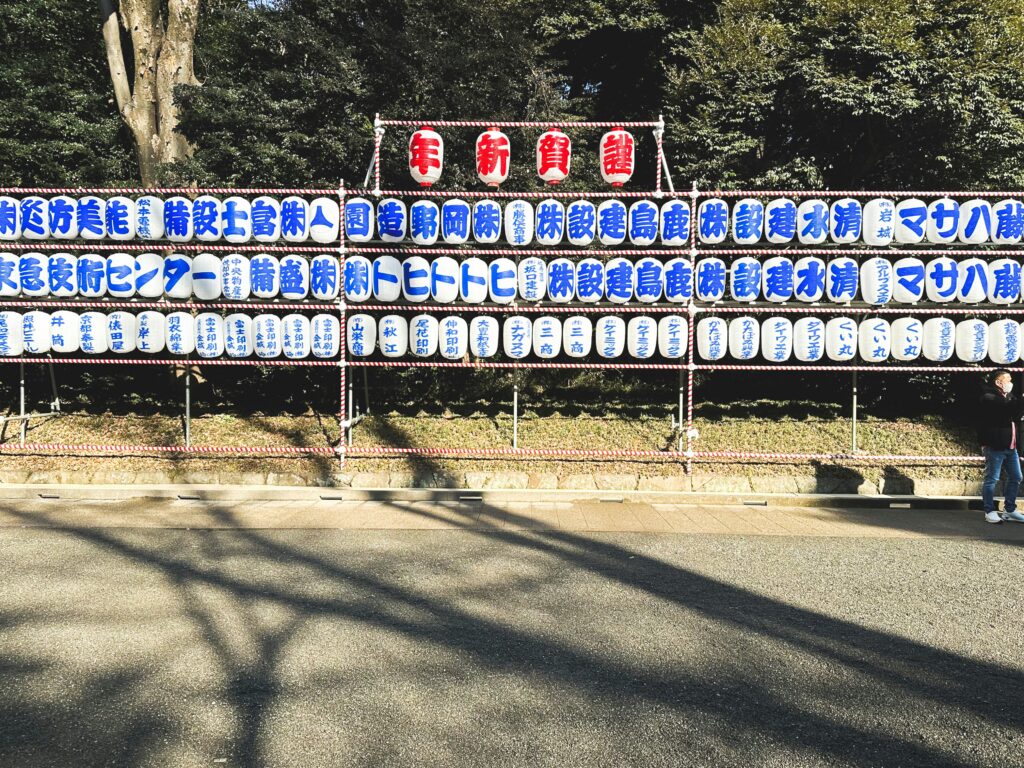
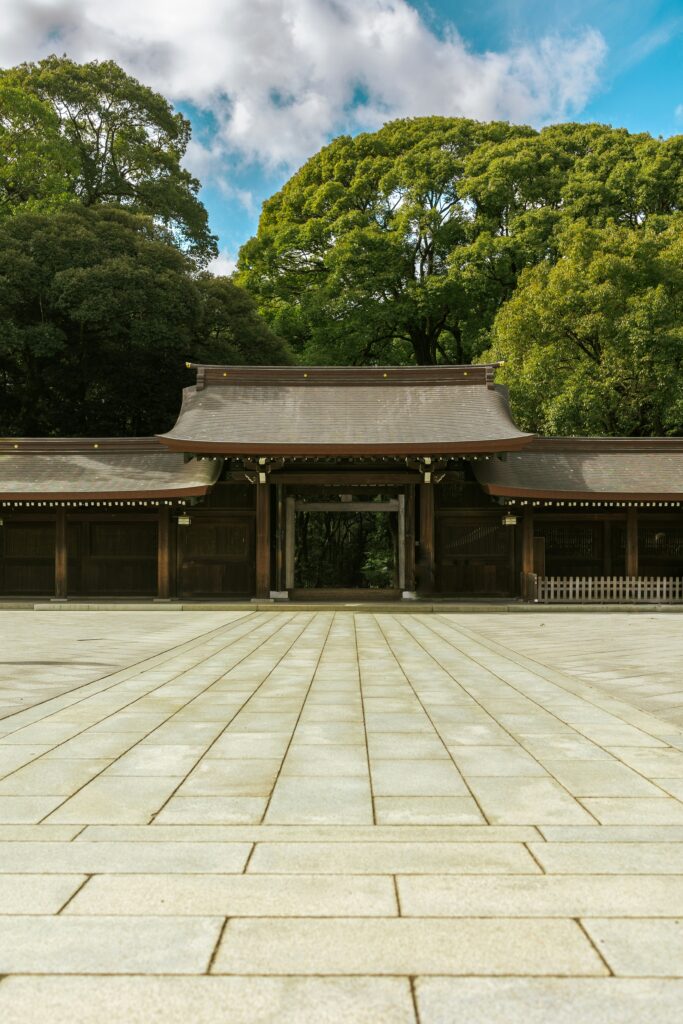
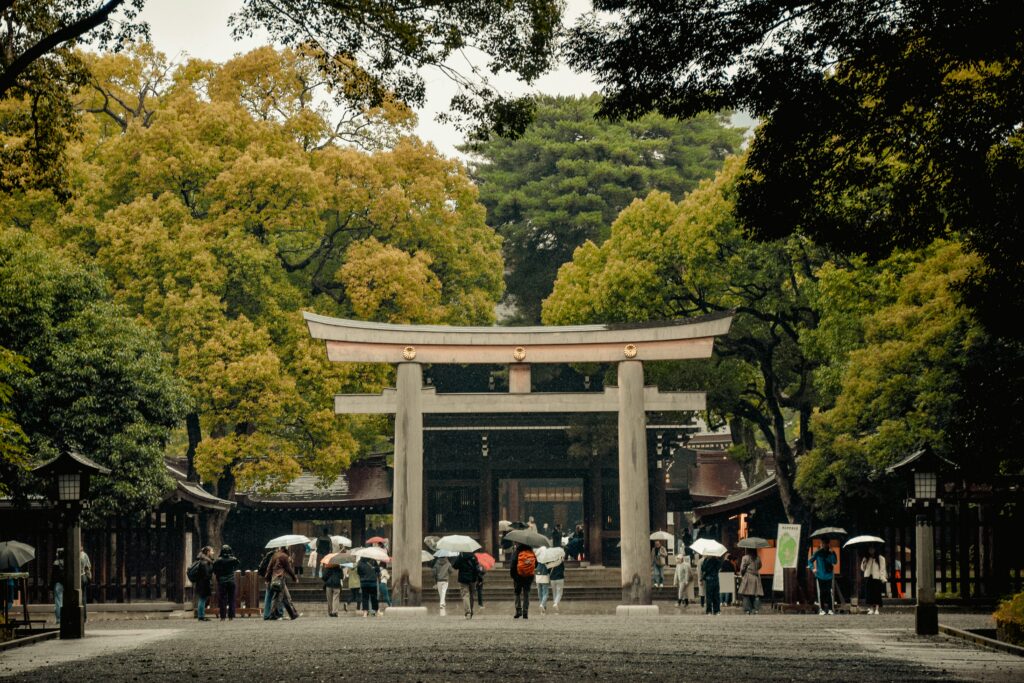
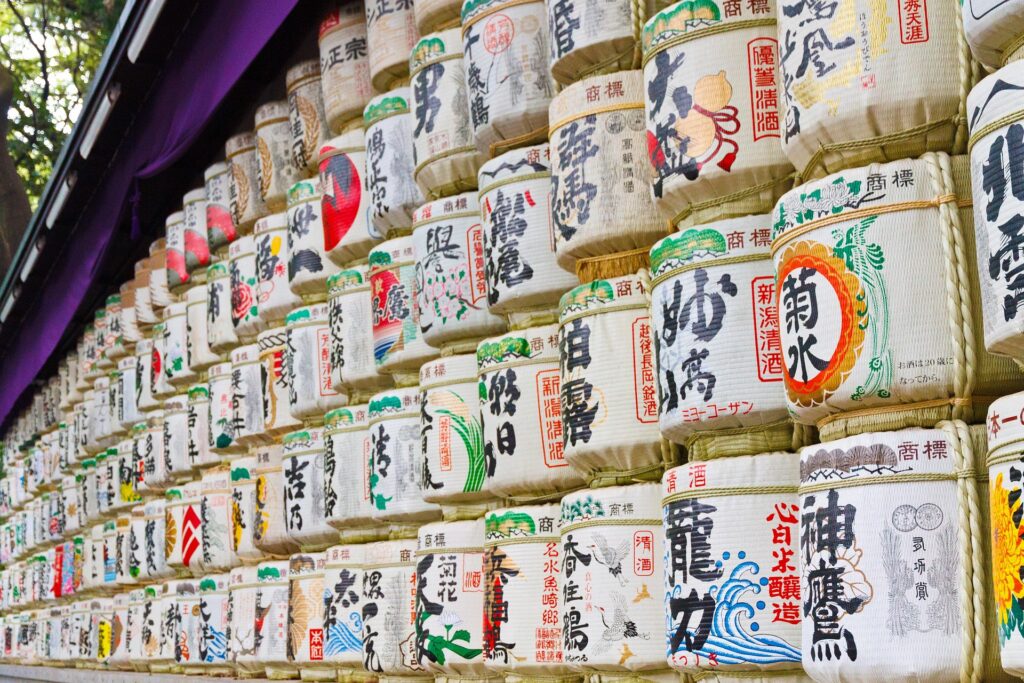
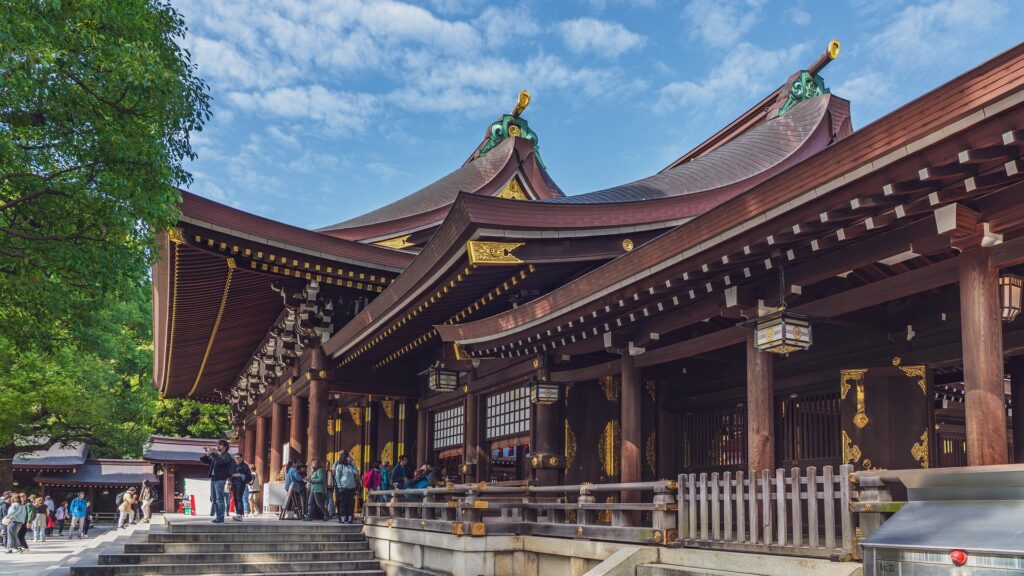
Meiji Jingu Shrine — a peaceful sanctuary in the heart of Tokyo, where towering torii gates, forested pathways, and traditional Japanese architecture offer a welcome escape from the city.
Meiji Jingu is one of Tokyo’s most important Shinto shrines, dedicated to Emperor Meiji and Empress Shoken. Surrounded by a peaceful forest, it offers a welcome escape from the busy streets of nearby Harajuku.
Walk beneath enormous wooden torii gates along forested paths to reach the main shrine. The grounds provide a wonderful opportunity to experience Japanese traditions and enjoy a slower pace of sightseeing.
Admission: Free to enter the main shrine. The Inner Garden costs ¥500.
Opening hours: Daily, from sunrise to sunset. Exact times vary by season.
Nearest station: Harajuku Station (JR Yamanote Line) or Meiji-jingumae Station (Tokyo Metro).
Suggested visit: Allow approximately 1–2 hours.
Travel tip: Visit early in the morning for a peaceful experience. Combine your visit with nearby Yoyogi Park and the streets of Omotesando. Respect photography restrictions around the main worship area.
Nezu Shrine-Bunkyo
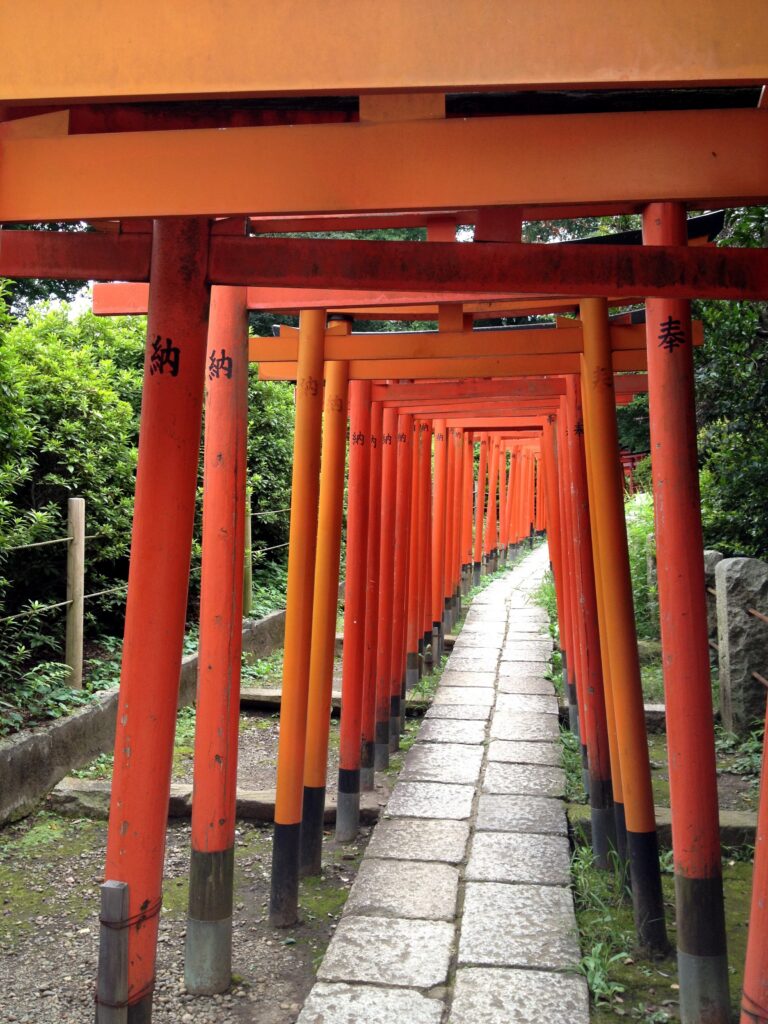
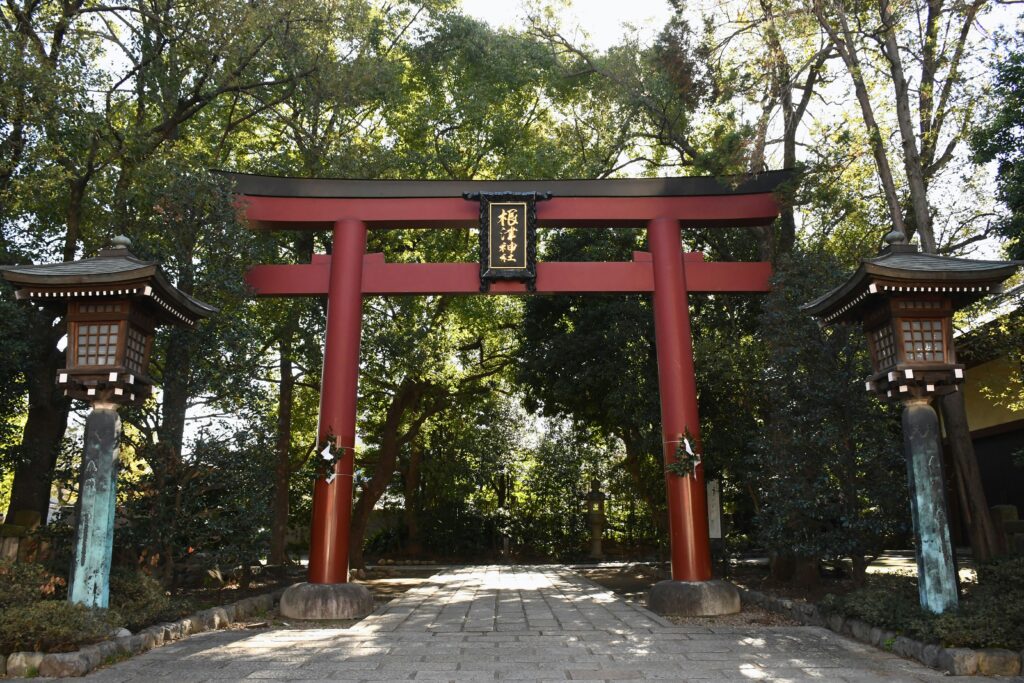
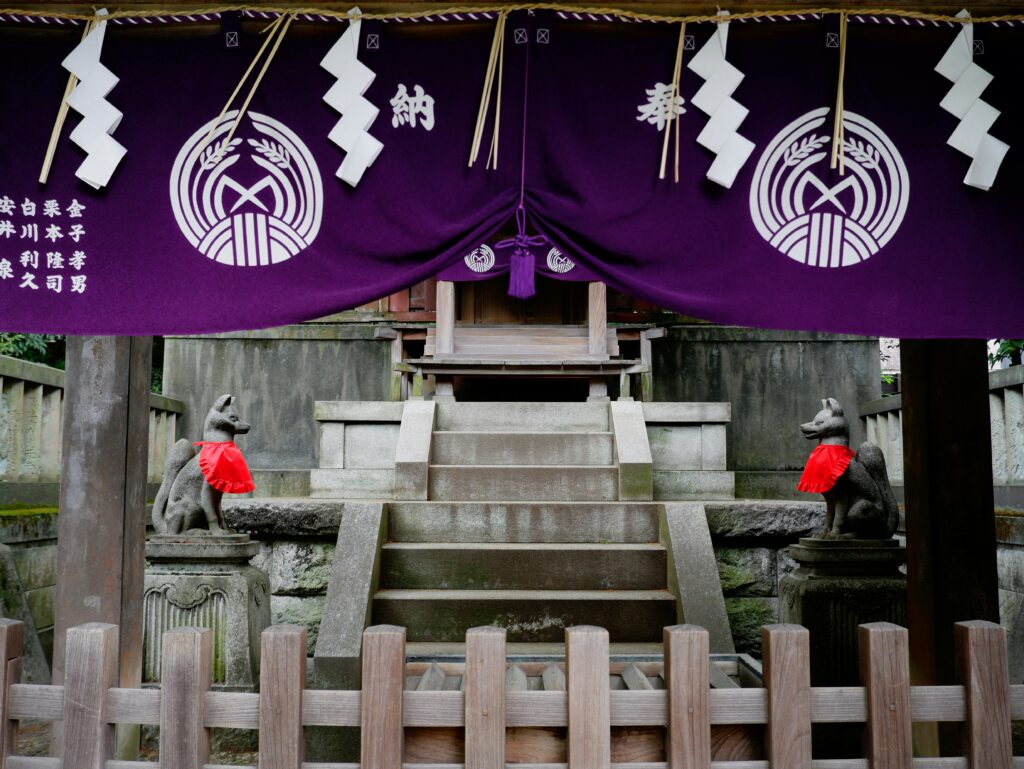
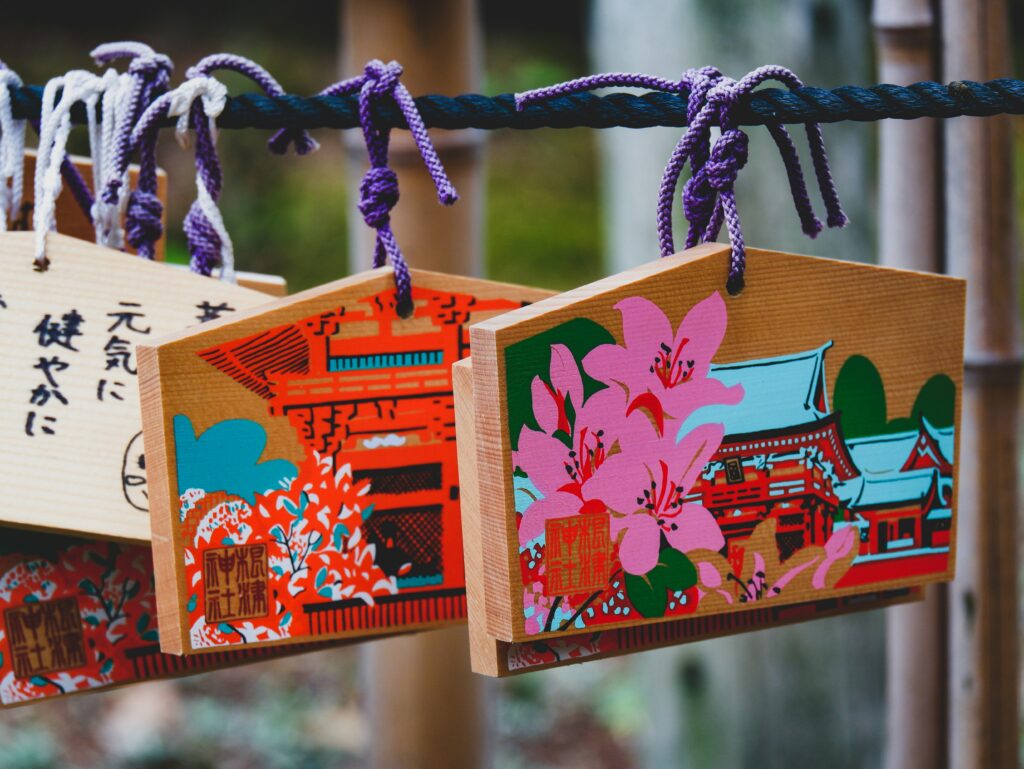
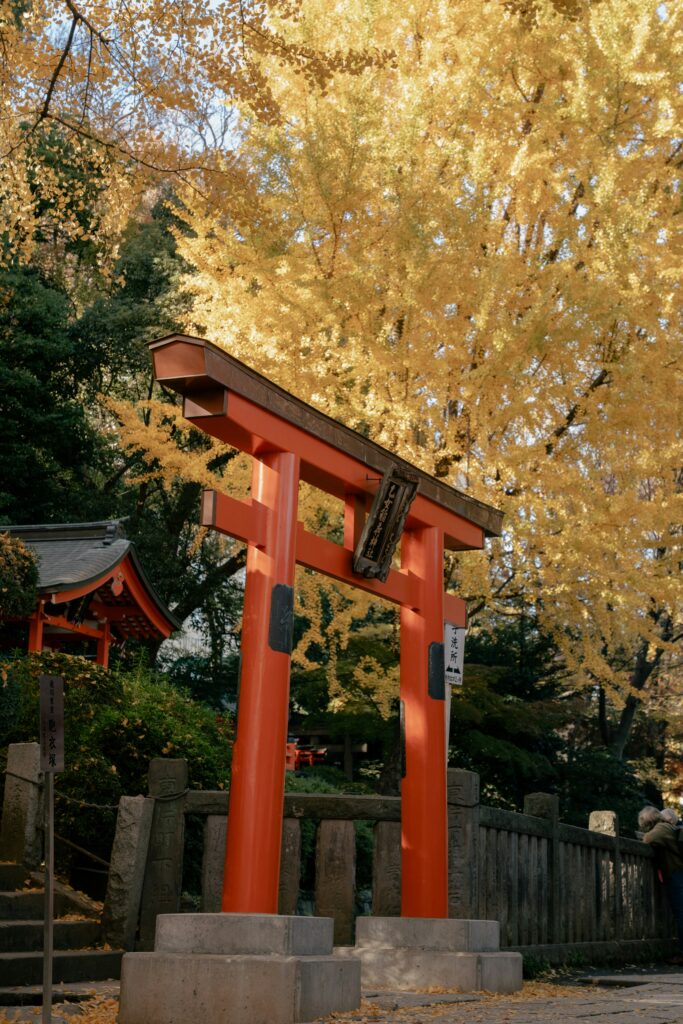
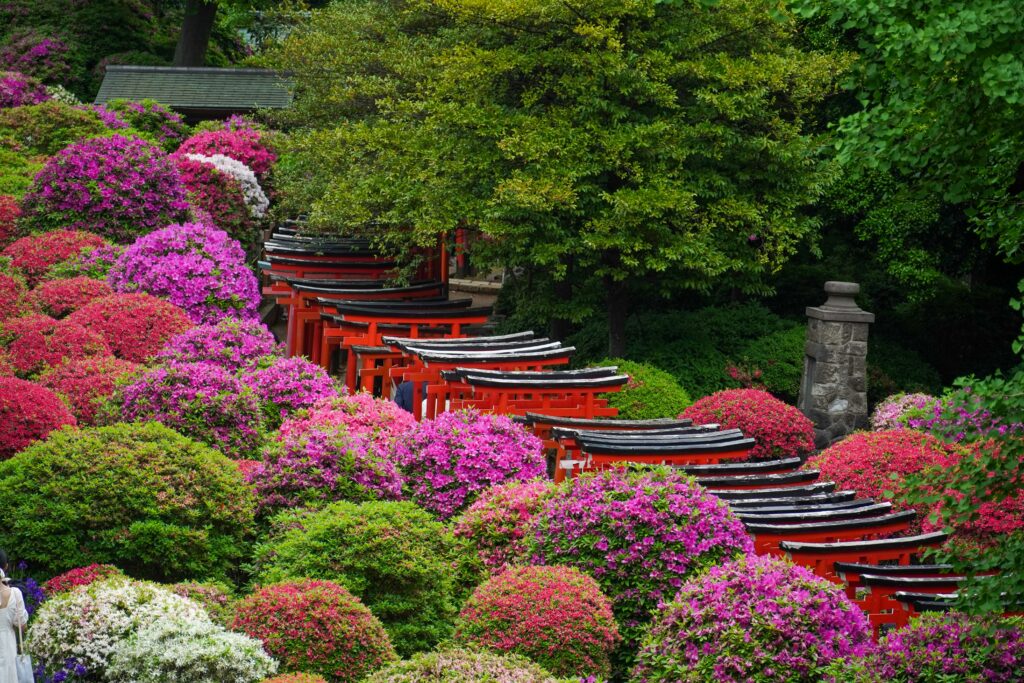
Nezu Shrine — a peaceful corner of old Tokyo, where vermilion torii gates, historic shrine buildings, and colourful spring azaleas create a beautiful traditional Japanese setting.
Nezu Shrine is one of Tokyo’s most beautiful historic Shinto shrines, famous for its elegant red torii gates, traditional architecture, and magnificent azalea gardens.
Although its origins are traditionally traced back almost 1,900 years, the present shrine buildings date from 1706. Several are designated Important Cultural Properties of Japan.
One of the highlights is the pathway of red torii gates leading to Otome Inari Shrine. During April, approximately 3,000 azalea bushes transform the hillside into a spectacular display of colour.
Admission: Free to enter the main shrine grounds. The seasonal Azalea Garden charged approximately ¥500–¥1,000 during the 2026 festival.
Opening hours: Daily, generally from early morning until late afternoon. Exact gate hours vary by season.
Nearest station: Nezu Station (Tokyo Metro Chiyoda Line), approximately a 5-minute walk.
Suggested visit: Allow 45–60 minutes, longer during azalea season.
Travel tip: Combine Nezu Shrine with a leisurely walk through the traditional neighbourhoods of Yanaka and Sendagi. These streets offer a wonderful glimpse of old Tokyo without the crowds of more famous tourist districts.
Zojoji Temple
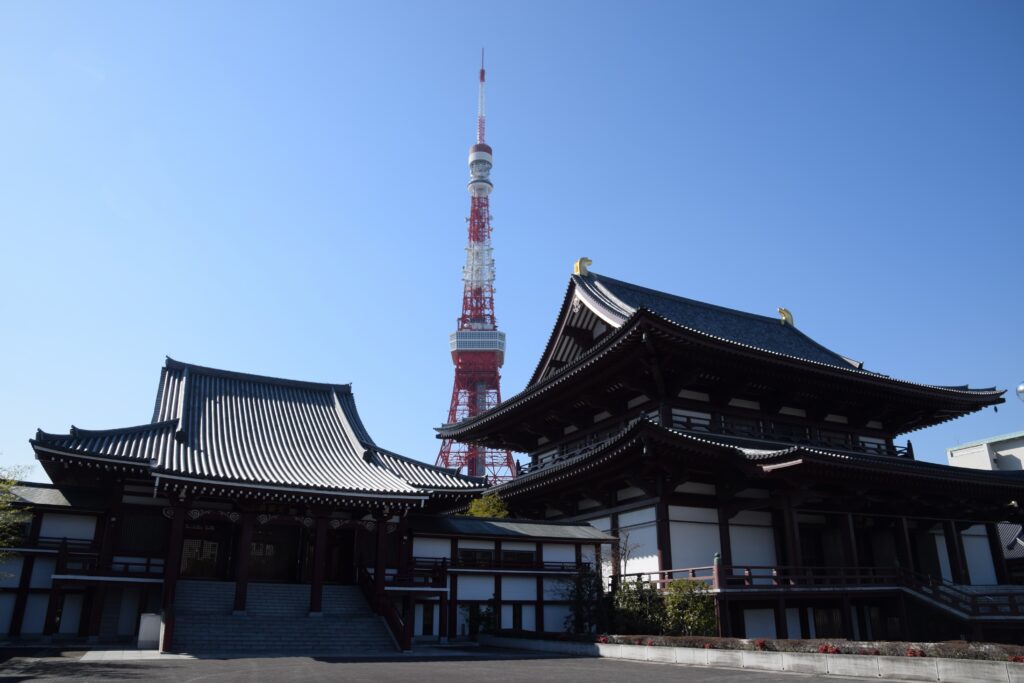
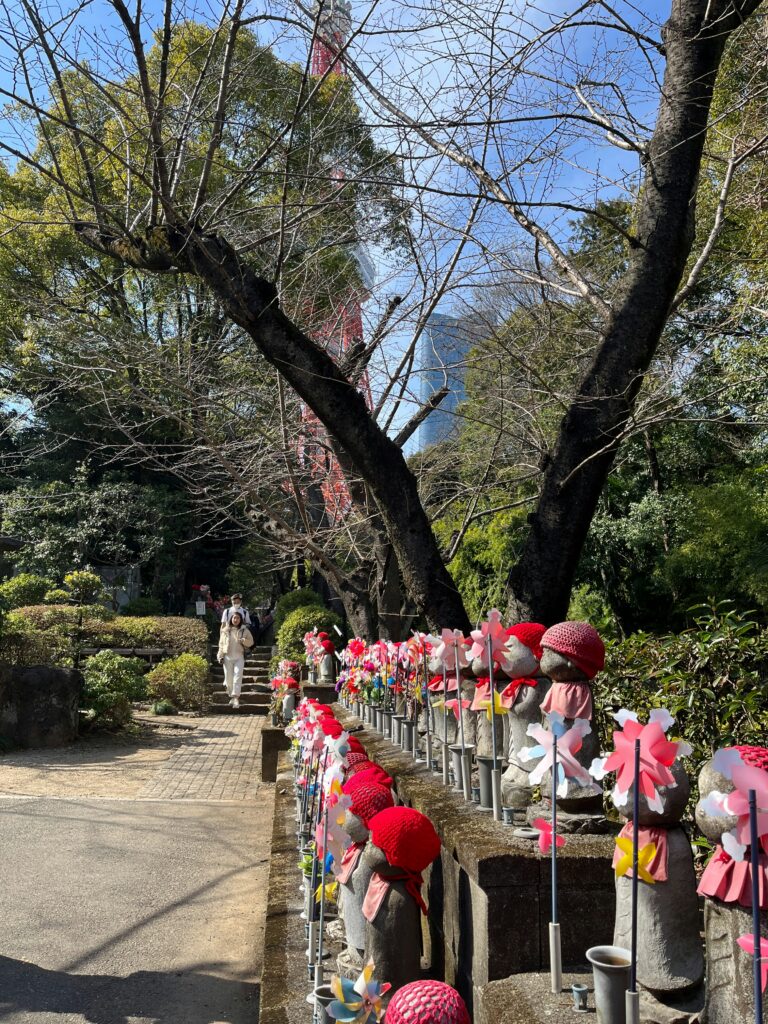
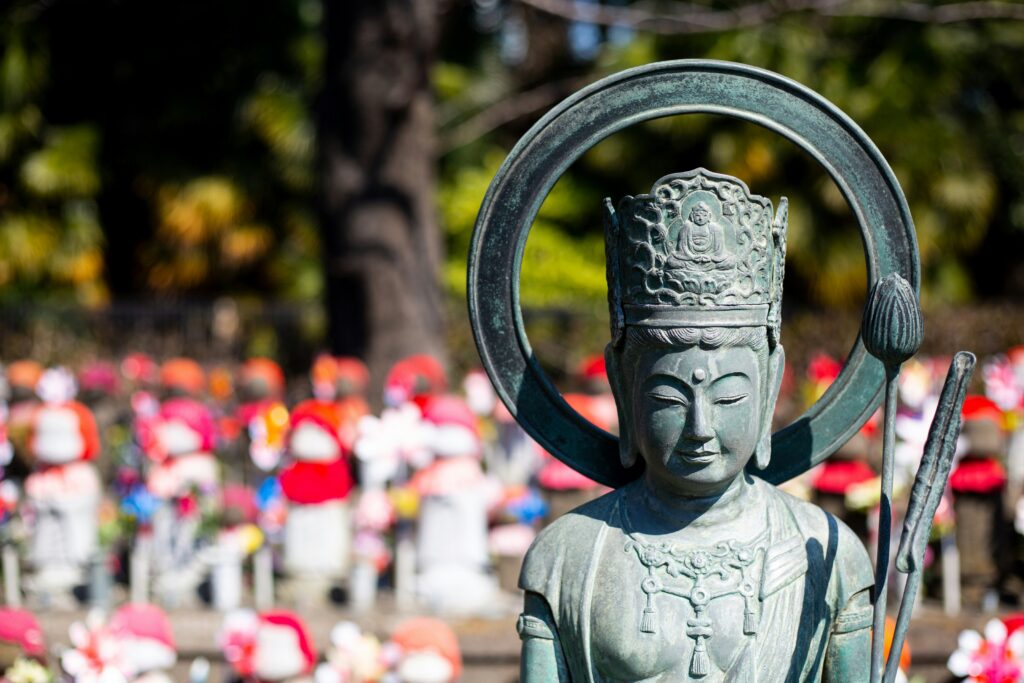
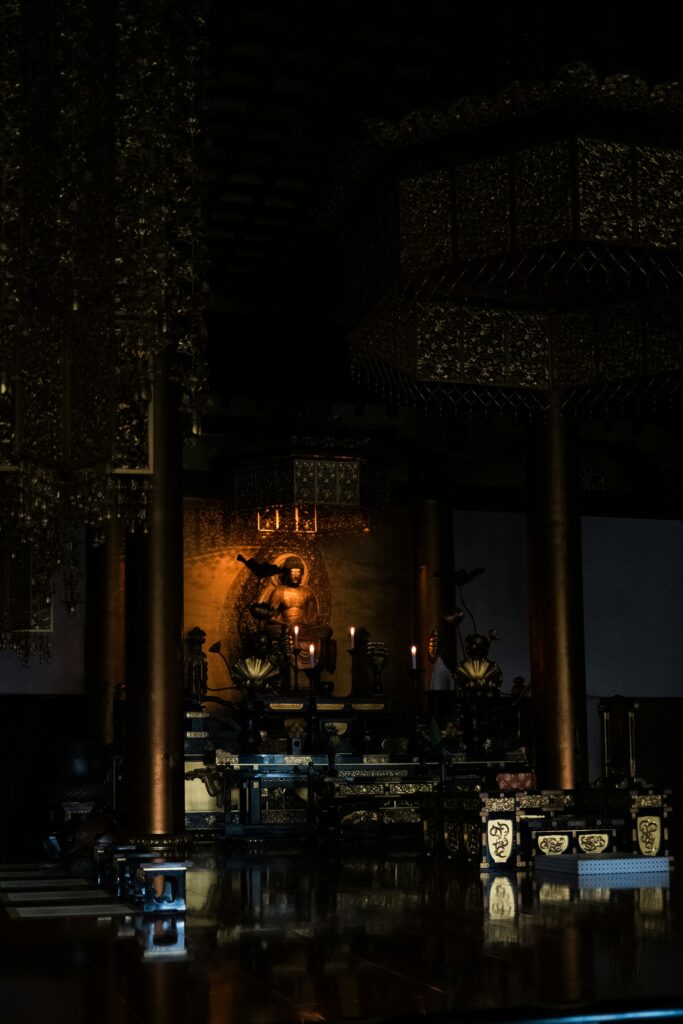
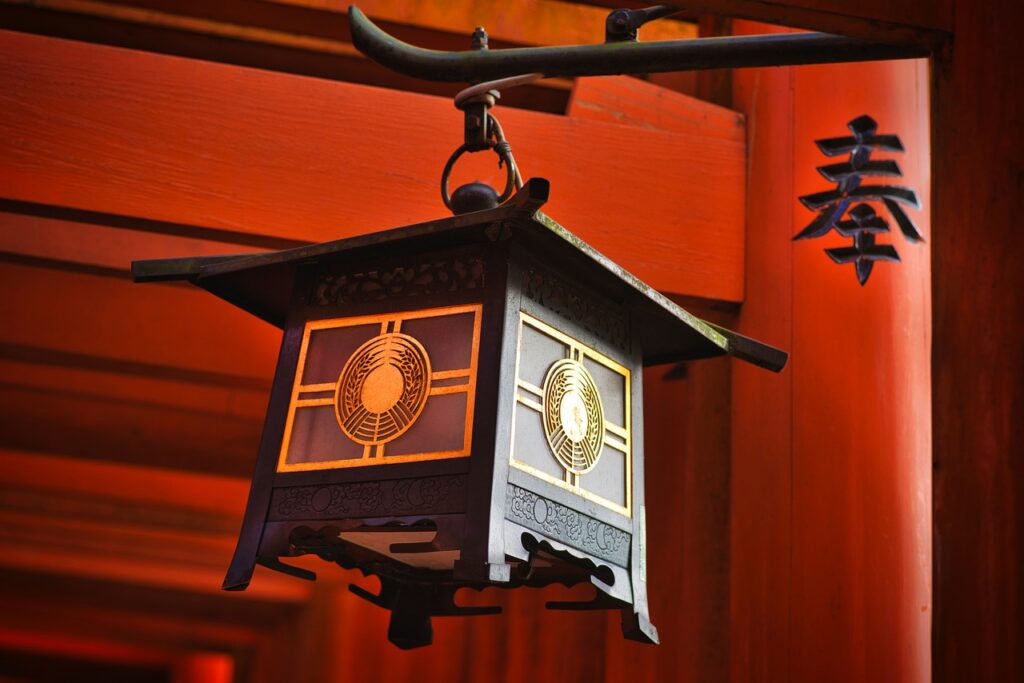
Zojoji Temple — where centuries of Japanese history meet the modern Tokyo skyline, with traditional temple architecture standing beneath the iconic Tokyo Tower.
Standing beneath the iconic Tokyo Tower, Zojoji Temple is one of Tokyo’s most historically significant Buddhist temples. Its traditional architecture, peaceful grounds, and dramatic modern skyline create a wonderful contrast between old and new Japan.
Founded in 1393, Zojoji became the family temple of the powerful Tokugawa shoguns, who governed Japan for more than 250 years. Six Tokugawa shoguns are buried within the temple grounds.
One of its most important features is the magnificent Sangedatsumon Gate, built in 1622. This historic wooden gate survived the destruction of World War II and remains an Important Cultural Property of Japan.
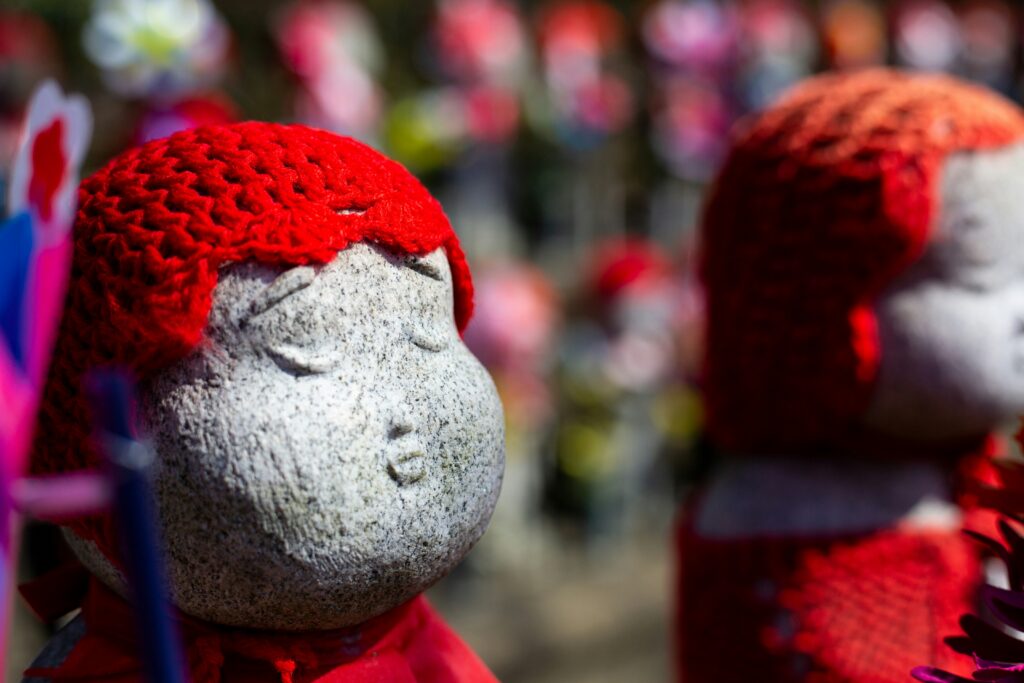
Visitors can also discover rows of small stone Jizo statues, many decorated with colourful knitted hats and clothing. These statues are associated with prayers and remembrance for children who have died.
Admission: Free to enter the main temple grounds. Tokugawa Mausoleum ¥500; Treasures Gallery ¥700; combined ticket ¥1,000.
Opening hours: Main temple grounds generally 6:00 AM–5:30 PM. Museum and mausoleum hours are more limited.
Nearest stations: Onarimon Station (Toei Mita Line), approximately 3 minutes on foot; Daimon Station (Toei Asakusa and Oedo Lines), approximately 6 minutes.
Suggested visit: Allow 45–90 minutes, longer if visiting the museum and mausoleum.
Travel tip: Combine Zojoji Temple with nearby Shiba Park and Tokyo Tower. The view of the traditional temple buildings with Tokyo Tower rising behind them makes this one of Tokyo’s most memorable photographic locations.
Important: The historic Sangedatsumon Gate is undergoing restoration, with completion scheduled for 2032. Some views may be obstructed during construction.
Gotokiji Temple — Setagaya
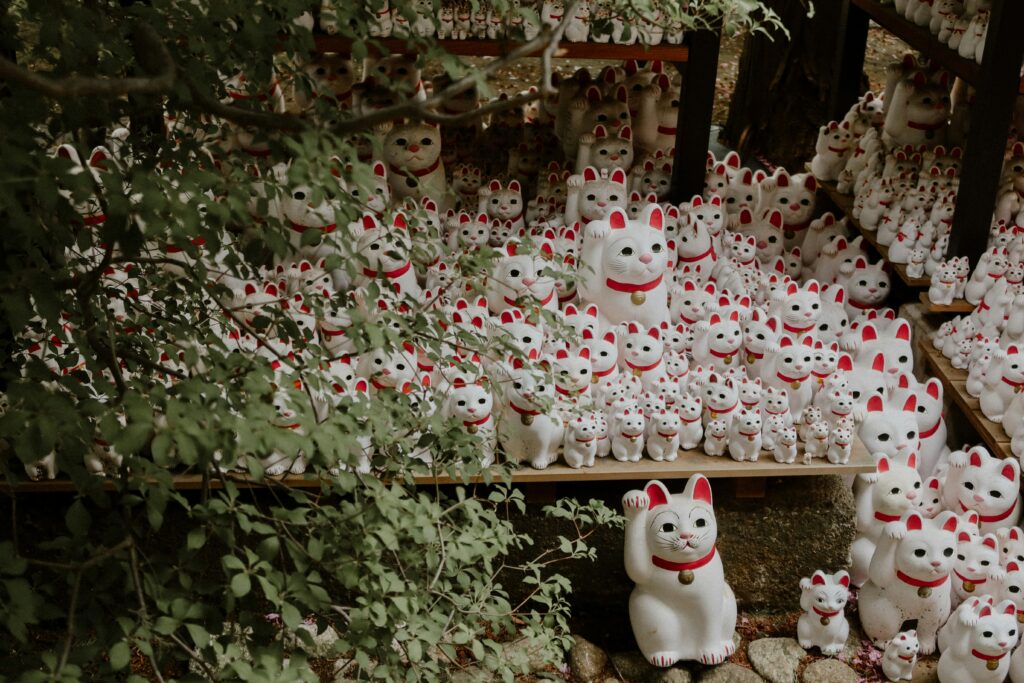
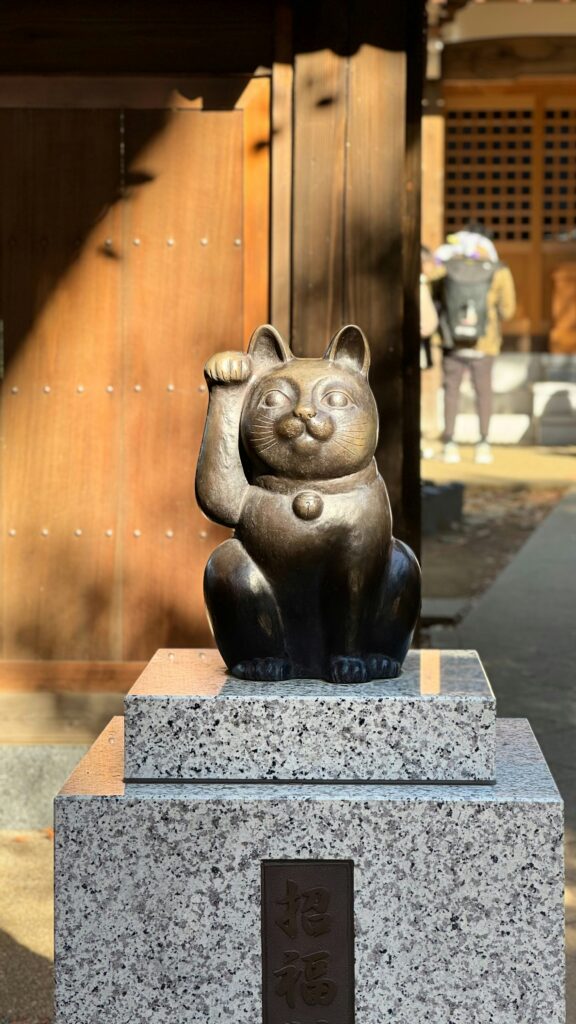
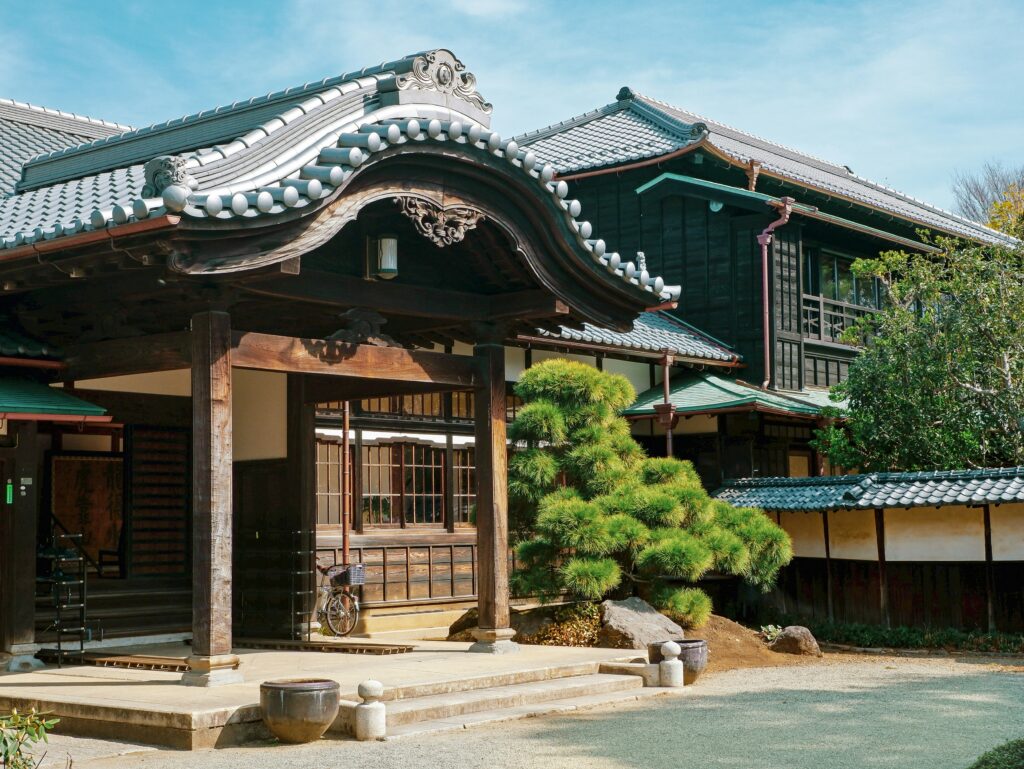
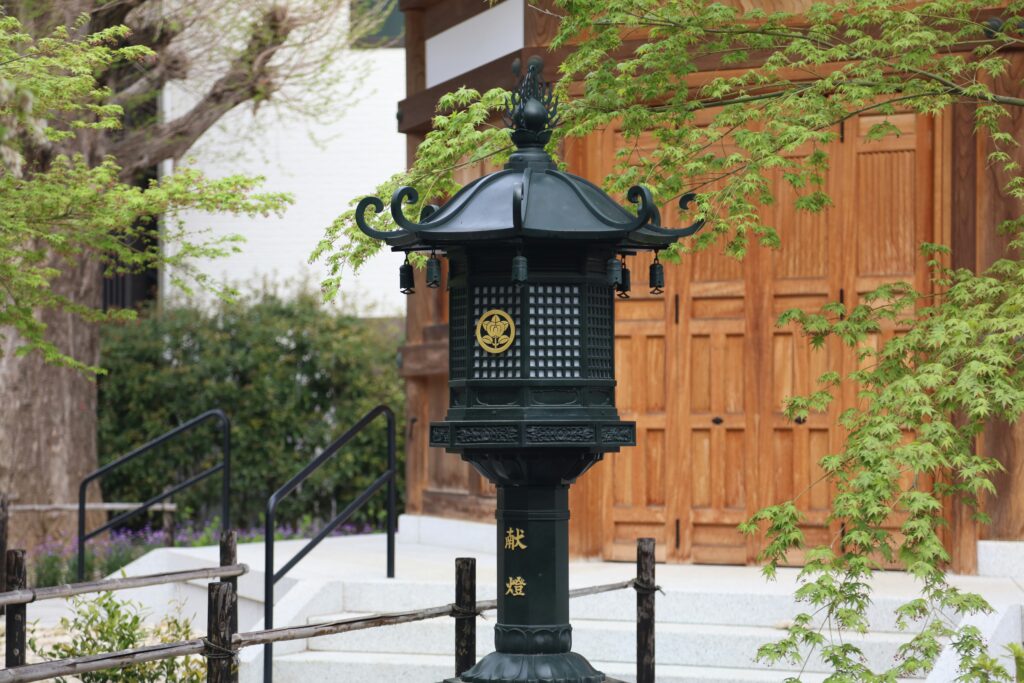
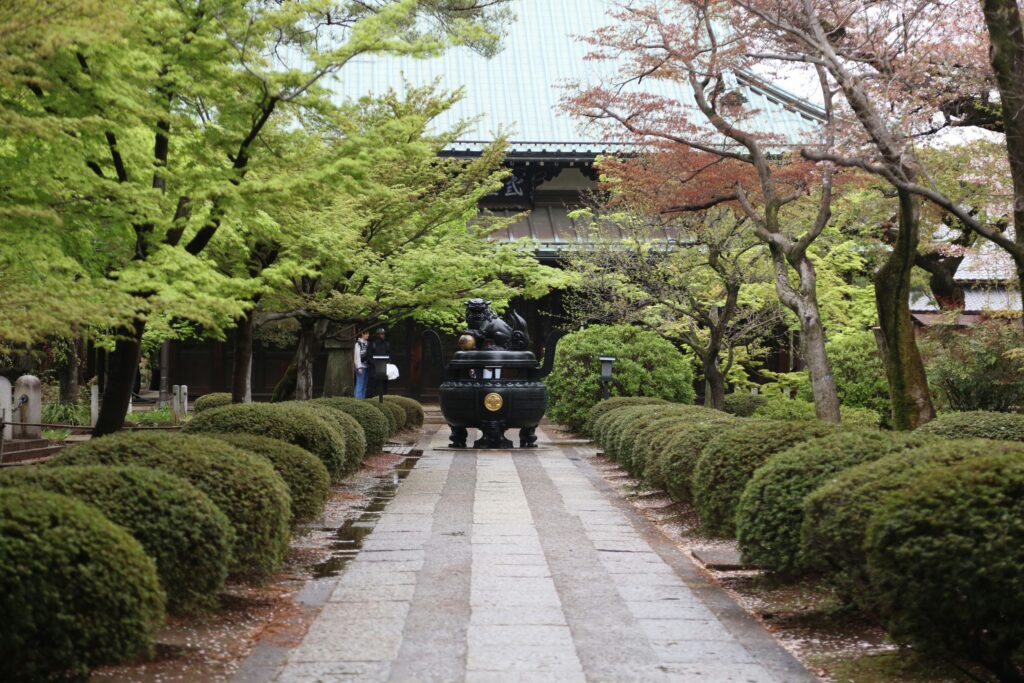
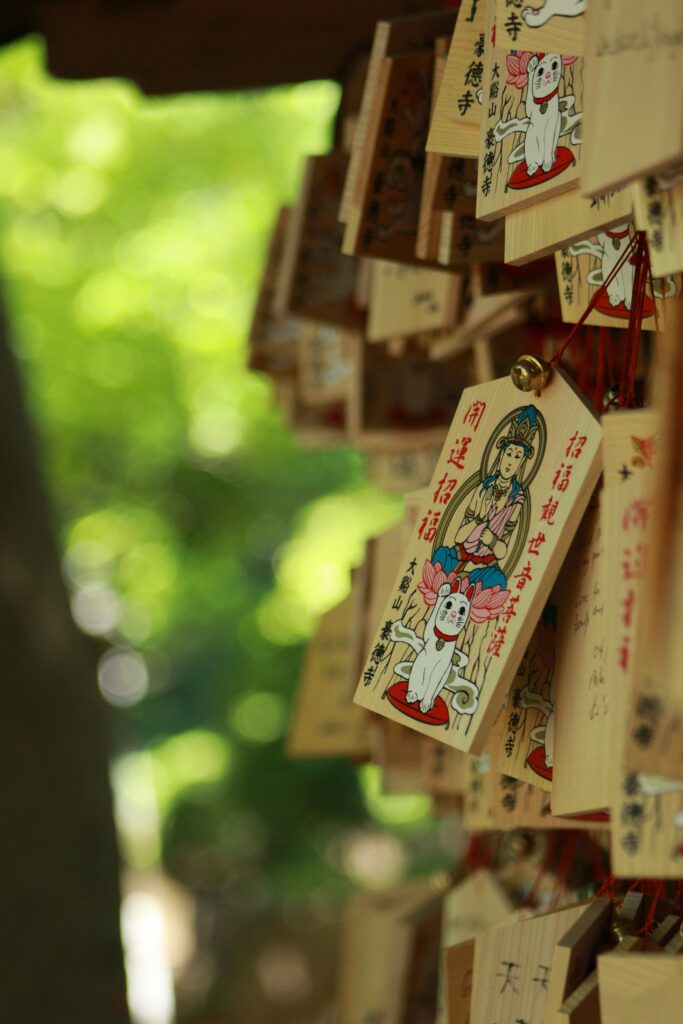
Gotokuji Temple — a peaceful sanctuary in Tokyo’s Setagaya neighbourhood, famous for its thousands of white beckoning cats (maneki-neko), beautiful three-story pagoda, and centuries-old traditions of good fortune.
Gotokuji Temple is one of Tokyo’s most unusual and charming Buddhist temples, famous for its thousands of white maneki-neko, or beckoning cat figurines.
According to local legend, a cat beckoned the feudal lord Ii Naotaka linto the temple, helping him escape a dangerous thunderstorm. The temple became closely associated with good fortune and the tradition of the lucky cat.
Visitors can explore peaceful grounds, traditional temple buildings, a beautiful three-story pagoda, and the historic graves of the Ii family.
The highlight is the extraordinary collection of white lucky cats left by visitors expressing gratitude for wishes fulfilled.
Admission: Free to enter the temple grounds.
Opening hours: Daily, 6:00 AM–5:00 PM. Temple office: 8:00 AM–3:00 PM.
Nearest station: Miyanosaka Station (Tokyu Setagaya Line), approximately a 5-minute walk. Alternatively, Gotokuji Station (Odakyu Line), approximately 15 minutes away.
Suggested visit: Allow 45–60 minutes.
Best Photography Spots 📸
- Lucky Cat Collection: Photograph the rows of white beckoning cats, using close-ups to capture their expressions.
- Three-Story Pagoda: Capture the traditional architecture surrounded by seasonal greenery.
- Temple Pathways: Beautiful opportunities for peaceful photographs, especially in the morning.
Travel tip: Visit on a weekday morning for fewer crowds. The surrounding residential neighbourhood is pleasant for a relaxed walk.
Photography etiquette: Respect worshippers and posted restrictions. Commercial photography may require advance permission from the temple.
Tokyo’s museums reveal Japan’s art, history, technology, and traditions. The Tokyo National Museum in Ueno Park is an excellent introduction to Japanese art and archaeology. The Edo-Tokyo Museum explores the city’s transformation from the Edo period to the modern metropolis, subject to its current opening schedule. Visit the National Museum of Nature and Science for natural history and scientific exhibits, or explore the small galleries and traditional shops around Yanaka. For a more contemporary experience, consider teamLab Planets or teamLab Borderless, booking tickets ahead when possible. Check official websites for current admission prices, opening hours, and reservation requirements.
Museums and Cultural Experiences
Getting Around Tokyo
Tokyo’s public transport system makes exploring the city straightforward and affordable. JR trains, Tokyo Metro, and Toei Subway services connect most major attractions. An IC card such as Suica or PASMO is convenient for paying fares without buying individual tickets. Walking is often the best way to explore neighbourhoods such as Asakusa, Ueno, and Yanaka. For longer journeys, compare individual fares with available day passes before purchasing one. Use Google Maps for routes, platform information, and estimated journey times. Keep some cash available for smaller purchases, and allow extra time during busy commuter periods.
Where to Stay in Tokyo
Tokyo offers accommodation for a wide range of budgets, from simple business hotels to elegant boutique properties. Asakusa is a practical base for travellers who appreciate traditional streets, temples, and convenient subway connections. Ueno offers good transport links and access to museums and parks, while areas near Tokyo Station are useful for Shinkansen travel. To enjoy affordable luxury, look for a well-reviewed private room with an ensuite bathroom, comfortable bedding, and easy access to a station. Compare prices across different neighbourhoods, check the total cost including taxes, and consider weekday stays or booking ahead to find better value.
Food and Dining
Tokyo is one of the world’s great food cities, and eating well doesn’t have to be expensive. Explore local ramen shops, sushi counters, tempura restaurants, and casual Japanese eateries. Department-store food halls and supermarket evening discounts can offer excellent value, while neighbourhood shopping streets often have affordable lunch sets. Travellers who enjoy seafood can look for sushi, sashimi, grilled fish, and tempura vegetables or seafood. Convenience stores are useful for inexpensive breakfasts and snacks. Check menus before ordering, and remember that some smaller establishments prefer cash. A little flexibility helps you enjoy authentic Japanese food while keeping your daily budget under control.
Tokyo Daily Budget for Two
Tokyo can be enjoyed at different spending levels. For two travellers sharing a modest private hotel room, a budget-conscious daily plan might include accommodation at $50-100, food at $20-$40, and local transport at $5-$10 and attractions at $0-$20. This gives an indicative total of $ per day for two, excluding international flights, travel insurance, and major shopping. Costs vary by season, location, and exchange rates. Save money by visiting free shrine grounds, public parks, observation decks, and neighbourhoods, and by choosing accommodation near a convenient train or subway station.
Best Day Trips from Tokyo
Tokyo is an excellent base for exploring nearby destinations. Visit Kamakura for its Great Buddha, historic temples, and coastal scenery. Nikko offers magnificent shrines and beautiful forests, while Hakone is famous for hot springs, mountain landscapes, and possible views of Mount Fuji on clear days. Yokohama is ideal for waterfront walks, museums, and Chinatown. For a quieter outing, consider Kawagoe, known for its traditional Edo-period streets. Check transport fares and attraction opening hours before travelling, and start early to enjoy each destination at a relaxed pace.
Practical Tokyo Travel Trips
Tokyo is an excellent base for exploring nearby destinations. Visit Kamakura for its Great Buddha, historic temples, and coastal scenery. Nikko offers magnificent shrines and beautiful forests, while Hakone is famous for hot springs, mountain landscapes, and possible views of Mount Fuji on clear days. Yokohama is ideal for waterfront walks, museums, and Chinatown. For a quieter outing, consider Kawagoe, known for its traditional Edo-period streets. Check transport fares and attraction opening hours before travelling, and start early to enjoy each destination at a relaxed pace.
Explore More, Spend Less — One-Train-Ride Sightseeing
Route 1 — Asakusa: Temples, Traditional Streets & Affordable Dining
Explore Historic Asakusa on Foot
Discover one of Tokyo’s most fascinating neighbourhoods while keeping transport costs low. Take the train to Asakusa Station, explore several attractions on foot, enjoy an affordable Japanese lunch, and return from the same station.
Suggested walking route:
- Kaminarimon Gate — the famous entrance to Senso-ji Temple.
- Nakamise Shopping Street — traditional shops and Japanese snacks.
- Senso-ji Temple — Tokyo’s oldest Buddhist temple.
- Asakusa Shrine — a peaceful Shinto shrine beside Senso-ji.
- Sumida Park — riverside views of Tokyo Skytree.
- Hoppy Street — a lively area with traditional casual restaurants.
Suggested duration: 4–6 hours, including lunch and photography stops.
Transport: One train journey to Asakusa and one journey back, depending on your accommodation location and available direct routes.
Admission: The listed outdoor attractions and temple or shrine grounds are generally free. Food, shopping, and optional activities cost extra.
Best Photography Spots in Asakusa 📸
Kaminarimon Gate: Photograph the enormous red lantern with the traditional shopping street behind it. Early morning is best for fewer crowds.
Senso-ji Temple: Capture the five-story pagoda and temple buildings. Late afternoon offers beautiful natural light.
Nakamise Street: Photograph colourful shops, traditional souvenirs, and the lively atmosphere.
Sumida Park: Enjoy beautiful views of Tokyo Skytree across the river, especially around sunset.
Photography tip: Visit Senso-ji early in the morning for quieter photographs. Avoid blocking pedestrians and respect photography restrictions at shops and religious sites.
Where to Eat in Asakusa — Affordable Recommendations
Tendon Tenya Asakusa: A budget-friendly choice for Japanese tempura rice bowls, including seafood and vegetable options.
Nagaura Soba: A traditional soba restaurant offering Japanese buckwheat noodles and tempura, with meals generally costing approximately ¥1,000–¥2,000.
Both restaurants are convenient for an Asakusa walking itinerary, so visitors can enjoy lunch without taking another train.
Money-saving tip: Choose a lunch set instead of an elaborate dinner. Check current menus and prices before visiting.
These are independently researched suggestions, not restaurants personally reviewed by The Slow Luxury Life.